Interior Design Trends: The Shift of Luxury Homes Toward Warmth and Wellness
04/06/2026
What’s “In” for Spring 2026
This spring’s design trends are centered on creating homes that feel more personal, comfortable, and timeless. Designers are pivoting away from minimalism towards spaces that feel warmer, softer and certainly more personal.
A Shift Toward Warmth and Personality
This spring, crisp whites and greys are replacing with earthy tones like olive green, terracotta, taupe, butter yellow, rich browns, and burgundy. Softer neutrals and warmer whites are also helping spaces feel brighter and more inviting.
Texture and layering are equally important. Natural materials such as oak, walnut, stone, linen, boucle, travertine, and rattan are being used to add depth and warmth. Instead of matching every finish perfectly, designers are mixing woods, metals, fabrics, and stone to create rooms that feel more curated and collected.
Patterns are also returning, in subtle ways and as bold statements. Gingham, florals, tassels, trims, and vintage-inspired details are appearing in pillows, upholstery, drapery, and accent pieces. The overall look is less formal and more reflective of individual personality.
Curved Furniture and Softer Lines
Furniture is becoming softer, more sculptural, and more inviting. Rounded sofas, curved sectionals, circular coffee tables, barrel chairs, and organically shaped accent pieces are replacing sharper, boxier silhouettes. These softer forms help create a sense of comfort and flow, particularly in open-concept homes.
Curves are also helping larger rooms feel more intimate. In living rooms and great rooms, rounded furniture arrangements can make spaces feel more conversational and welcoming, while softer edges create a more relaxed, contemporary feel. Sculptural lighting, curved shelving, and arched mirrors are also helping reinforce this softer design direction.
Architectural Details Make a Comeback
Architectural details are becoming more important as homeowners look for ways to add character and permanence to a space. Arched doorways, curved walls, ceiling beams, panel moulding, fluted wood details, and statement fireplaces are all increasingly popular.
Rather than relying solely on furniture or décor, homeowners are investing in design features that make a home feel more custom and timeless. These architectural touches can add visual interest even in newer homes and help create a stronger sense of identity throughout the space.
More Purposeful Living Spaces
Living spaces are also evolving to reflect how people use their homes today. Formal living rooms are making a comeback, but with a more relaxed approach. Instead of rooms that are reserved only for entertaining, homeowners are creating elegant spaces that can still be used on a daily basis.
Family rooms continue to focus on comfort, with oversized seating, media walls, and flexible layouts that work for gatherings of all sizes. At the same time, dedicated playrooms, game rooms, and multi-purpose spaces are becoming more common, particularly in larger homes.
These rooms are being designed with the same attention to detail as the rest of the house, using custom millwork, hidden storage, and elevated finishes so they feel cohesive rather than purely functional.
Wellness-Focused Spaces
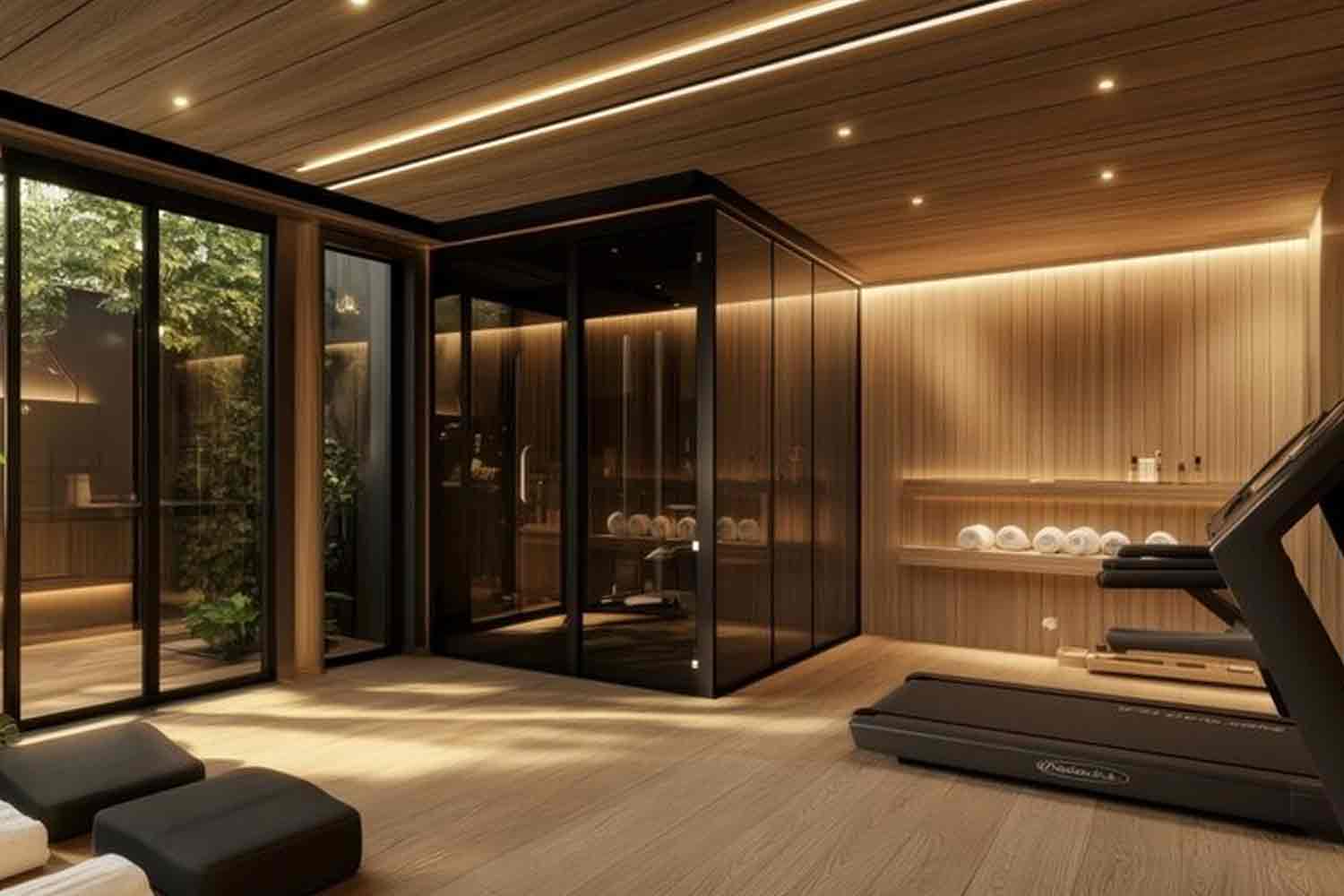
Another major trend this spring is wellness-focused design. More homeowners are creating dedicated spaces for self-care and relaxation, such as meditation rooms, home gyms, saunas, reading corners, and spa-inspired bathrooms.
The idea is that homes should not only look beautiful but also support better physical and mental well-being. Natural light, indoor plants, calming colours, and connections to the outdoors are all becoming increasingly important.
The Rise of the “Invisible Kitchen”
Finally, kitchens are becoming sleeker and more streamlined. The “invisible kitchen” trend is growing in popularity, with homeowners hiding appliances, outlets, and storage behind cabinetry so kitchens blend more seamlessly with adjacent living spaces.
Warm woods, concealed storage, and open shelving are helping kitchens feel less utilitarian and more like an extension of the home’s design aesthetic. The result will be homes that not only look beautiful but more importantly feel truly connected to the people who live in them.
Additional Insights
Collaboration between real estate professionals and design experts isn’t just aesthetic—it’s strategic. If you’re looking to stand out in competitive luxury markets, be sure to check out this podcast episode of Estate of Mind packed with insights you can apply to your business today.
STAY AHEAD WITH THE INSTITUTE
For agents looking for more guidance on growing their luxury real estate practice and developing their skills when working with the affluent, learn more about The Institute’s Training Options.
Becoming a member of The Institute is a valuable investment in your future success as a luxury real estate professional. Access curated real estate tools and resources, advanced learning experiences, and connect with a network of successful real estate professionals throughout the United States and Canada.
Our Certified Luxury Home Marketing Specialist™ (CLHMS™) designation is recognized globally. Take advantage of the training offered and the information provided through The Institute’s Local Luxury Market Reports, published monthly exclusively for members.